
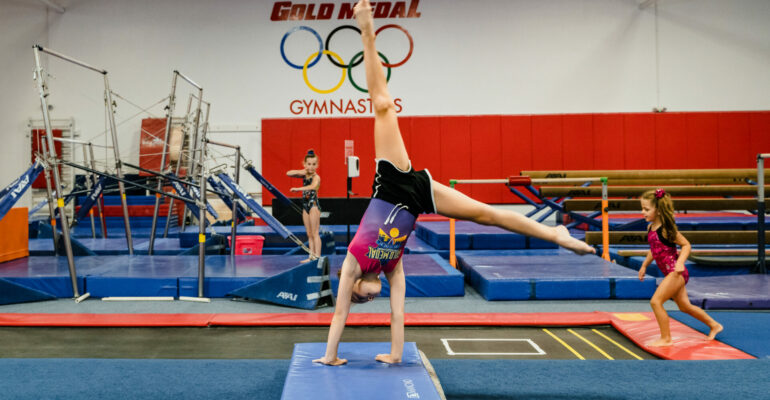
Gymnastics, a sport that combines grace, strength, and precision, has captured the hearts of many with its awe-inspiring performances. At the highest level of this sport, elite gymnasts perform feats that seem almost superhuman. What makes these athletes reach such incredible heights? The answer lies in elite gymnastics training.
With GMGC, you can gain access to the same training methods used by elite gymnasts. Our experienced coaches have worked with top athletes in multiple disciplines and will help you take your skills to a new level. Whether you’re seeking to reach Olympic heights or simply want to learn more about elite gymnastics, GMGC has the perfect gymnastic programs for you!
Benefits Of Elite Gymnastics Training
Elite gymnastics training isn’t just about practicing routines and perfecting skills. It’s a comprehensive approach to physical and mental development that equips athletes to achieve their dreams. There are several benefits to elite gymnastics training, including:
Physical Benefits
Strength Development
Elite gymnastics training serves as a robust platform for developing muscular strength. Through a diverse range of exercises and routines, gymnasts target various muscle groups, showcasing their power not only in routines but also in their overall strength. Key exercises like ring work, pommel horse drills, and bodyweight conditioning play a pivotal role in building strength. Beyond mere muscle growth, these exercises enhance functional strength, crucial for executing intricate gymnastic movements with precision.
Flexibility Improvement
Flexibility is a cornerstone of gymnastics, and elite training takes this aspect to the extreme. Gymnasts often perform contortion-like movements that require an exceptional level of flexibility. The training includes exercises and stretches that promote a wide range of motion and suppleness. For instance, the iconic splits are a testament to the incredible flexibility achieved through gymnastics training. Performers work on their flexibility daily, which leads to improved overall athleticism and a reduced risk of injury.
Endurance Enhancement
Gymnastics isn’t just about short bursts of power; it also demands cardiovascular endurance. Elite training includes routines and drills designed to improve this aspect. As gymnasts practice routines and skills repeatedly, their stamina increases, allowing them to perform their routines flawlessly. Routines on the floor exercise, which involve dynamic and continuous movements, serve as excellent endurance builders. As athletes execute these routines, they not only showcase their skills but also push their cardiovascular limits.
Mental Benefits
Discipline And Focus
Discipline is at the heart of elite gymnastics training. Athletes adhere to rigorous schedules and training plans, and the ability to stick to these routines translates into unwavering discipline. Gymnasts are known for their punctuality, commitment, and work ethic.
In addition to discipline, focus is a vital component of gymnastics skill mastery. Athletes must concentrate entirely on their routines, blocking out distractions and maintaining unwavering focus. This intense level of concentration extends to their daily lives, making them exceptionally attentive individuals.
Confidence Building
Elite training is a journey filled with challenges and milestones. As athletes conquer each hurdle, they gain confidence in their abilities. Gymnastics can be a mentally taxing sport, but the sense of accomplishment that comes from mastering skills and routines is immeasurable. Every gymnast has their own story of overcoming obstacles and achieving their goals. These stories serve as a testament to the confidence that elite training instills in its athletes.
Competitive Success
Gymnastics competitions, whether at the national or international level, are the ultimate test of an athlete’s skills and training. Elite training sets the stage for success in these highly competitive environments. Elite gymnasts who have gone through rigorous training programs have excelled in numerous competitions, earning accolades and medals for their countries. Their performances on the world stage are a testament to the effectiveness of elite gymnastics training.
Holistic Development
Elite gymnastics training goes beyond physical and mental benefits. It fosters holistic development, creating well-rounded individuals. This balance between the physical and mental aspects of development is what sets elite gymnasts apart. Gymnasts are not just exceptional athletes; they are also disciplined, focused, and dedicated individuals who carry these qualities into various aspects of their lives.
Long-Term Health Benefits
While the pursuit of gymnastic excellence is paramount, long-term health is also a priority. Elite gymnastics training emphasizes injury prevention strategies and conditioning. Athletes receive education on maintaining their bodies for the long haul. Proper nutrition, hydration, and rest are essential components of creating lasting success. Furthermore, gymnasts learn about the importance of healthy lifestyle habits and developing a consistent routine that can be maintained long-term.
Elite Gymnastics Training Facilities
Access to well-equipped training facilities is vital for elite gymnastics training. These facilities provide the necessary environment and resources for athletes to reach their full potential.
Specialized Gymnastics Equipment
Specialized equipment plays a crucial role in elite gymnastics training. High-quality balance beams, uneven bars, vaulting tables, and more are essential tools that allow gymnasts to perform at their best. These apparatuses are designed to meet the exacting standards of elite gymnastics, ensuring safety and precision in every routine.
Safety Standards And Protocols
Safety is paramount in elite gymnastics training. Strict safety standards, equipment maintenance, and emergency protocols are in place to protect athletes from harm. Gymnasts and their coaches are trained in these protocols to ensure a secure training environment.
Varied Training Spaces
Elite training facilities offer diverse training areas, each tailored to specific aspects of gymnastics training. These spaces include designated areas for apparatus training, strength and conditioning, and flexibility work. This separation allows gymnasts to focus on their individual needs and ensure that their training remains well-rounded.
Technological Integration
Technology is a valuable ally in elite gymnastics training. Video analysis, biomechanics studies, and performance-tracking systems are integrated into the training programs. These tools provide valuable insights into a gymnast’s performance and aid in skill refinement.
Individualized Training Plans
One size does not fit all in elite gymnastics training. Training plans are personalized to cater to individual gymnasts’ skill levels, strengths, and goals. This tailored approach is crucial for maximizing each athlete’s potential. For instance, a plan for a high-level gymnast will include difficult drills and skill sets, while a plan for a beginner may focus on basic skills.
Nutritional Support
Nutrition is a cornerstone of athletic performance. Elite facilities offer nutritional guidance to gymnasts, educating them on the importance of proper nutrition in optimizing their performance. Gymnasts learn to fuel their bodies for success and maintain their energy levels during intense training sessions and competitions.
Collaborations With Professionals
Elite gymnastics training takes an interdisciplinary approach to athlete development. With gymnastic professionals, athletes receive well-rounded support in their journey. These professionals work together to enhance the physical and mental aspects of training, maximizing the potential of gymnasts.
Accessibility And Inclusivity
In recent years, there has been a growing awareness of the importance of making elite training more accessible and inclusive. Efforts are underway to provide opportunities for athletes from all backgrounds to pursue elite gymnastics training. This includes expanding access to training facilities and offering educational support for gymnasts.
Overcoming Challenges In Elite Gymnastics Training
While elite gymnastics training offers numerous benefits, it also comes with its fair share of challenges. Gymnasts face obstacles that require resilience and determination to overcome. Here are some common challenges and strategies to tackle them:
Balancing Intensity And Burnout
Elite training can be intense, and the risk of burnout is ever-present. Gymnasts must learn to balance intense training with adequate rest. Effective time management and recovery strategies are key to preventing burnout. Additionally, gymnasts should find ways to engage in activities outside of gymnastics to help maintain mental and physical health.
Managing Injuries And Recovery
Injuries are a part of any athlete’s journey, and gymnasts are no exception. However, elite gymnastics training emphasizes injury prevention measures and effective rehabilitation strategies. This approach ensures that athletes recover faster and return to training in peak condition.
Coping With Performance Pressure
High-pressure competitions are a mental challenge for gymnasts. They must learn to cope with the stress and pressure that come with these events. Mental resilience techniques and pre-competition routines are valuable tools for managing this stress.
Striking A Balance Between Academics And Training
Elite gymnasts often face the challenge of balancing academic commitments with rigorous training schedules. Learning to manage their time effectively and seeking support systems can help them excel in both areas. This can allow them to pursue their academic goals while remaining competitive in the sport.
Adapting To Growth And Skill Changes
Physical growth and skill progression are inevitable in gymnastics. Gymnasts need guidance on adapting their training plans to accommodate these changes and continue their development as athletes. Coaches can help them determine appropriate training strategies that maximize their potential.
Navigating Competition Stress
The stress associated with competitive events can be overwhelming. Gymnasts must develop routines and mental preparation strategies to help them stay focused and calm during competitions. Coaches can help gymnasts understand how to manage their emotions and prepare mentally for competitive events.
Addressing Team Dynamics And Individual Goals
Team dynamics can pose challenges in elite gymnastics programs. Gymnasts must learn to navigate these dynamics while also pursuing their individual goals. Open communication and understanding are essential when it comes to addressing team dynamics. Coaches can help by leading effective team meetings and fostering an environment of respect and trust among the gymnasts.
Coping With External Expectations
Elite gymnasts often face immense external expectations and pressures. Drawing inspiration from the stories of athletes who have successfully navigated similar challenges can provide valuable guidance. Coaches play a crucial role in supporting gymnasts by emphasizing the significance of setting realistic goals and providing consistent feedback. Additionally, coaches can assist gymnasts in cultivating a growth mindset, a key factor for maintaining motivation in the face of adversity.
Transitioning From Junior To Senior Levels
Transitioning from junior to senior competition levels presents unique challenges. The adjustments in training intensity and competition expectations can be daunting, but with proper guidance, athletes can navigate this transition successfully.
Building A Supportive Team Environment
A supportive team environment, including coaches, teammates, and support staff, plays a crucial role in helping gymnasts overcome challenges and excel in their training. With the right attitude and approach, coaches can create a positive environment that encourages growth and development.
Start Your Elite Gymnastics Training With GMGC Today!
Elite gymnastics training is a journey that combines physical prowess, mental fortitude, and unwavering dedication. It not only equips athletes with exceptional skills but also shapes them into disciplined, confident, and focused individuals. If you’re an aspiring gymnast with dreams of reaching the highest levels of the sport, consider pursuing elite gymnastics training. With the right training and support, you can unlock your full potential and take your gymnastics journey to new heights.
Explore the world of elite gymnastics training at GMGC and take the first step towards becoming a gymnastics champion. Your dream of standing on the podium at the world’s most prestigious competitions can become a reality with the right training and dedication. Don’t wait; start your journey today and boost your inner champion!